AMIA - Why FOSS?

Peter Bubestinger-Steindl
(p.bubestinger @ arkthis.com)

March 9th, 2022

FOSS = Free and Open Source Software
Definition & details, see: Wikipedia or Free Software Foundation Europe

Free? Libre? Open?

Free Software is defined by “The 4 Freedoms”.

The right to:

  • USE it for any purpose.
  • STUDY how the program works and understand it.
  • SHARE copies of the software.
  • IMPROVE the program and distribute these changes.

Free as in ‘free speech’

FOSS can be commercial. Yes it raises questions…
Opposite = Proprietary

“Freeware” = proprietary gratis programs Opposite of FOSS is ‘Proprietary Software’
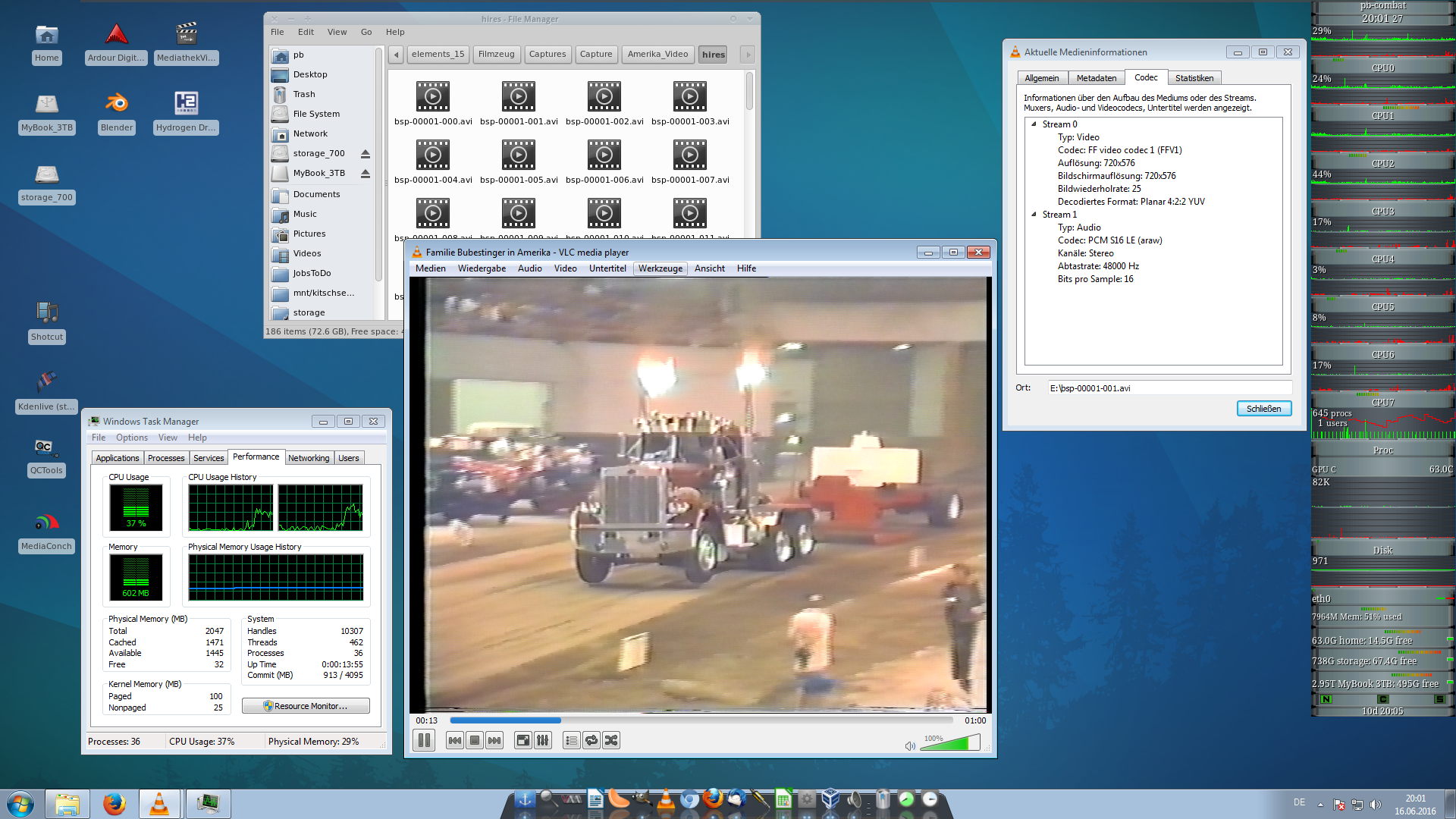
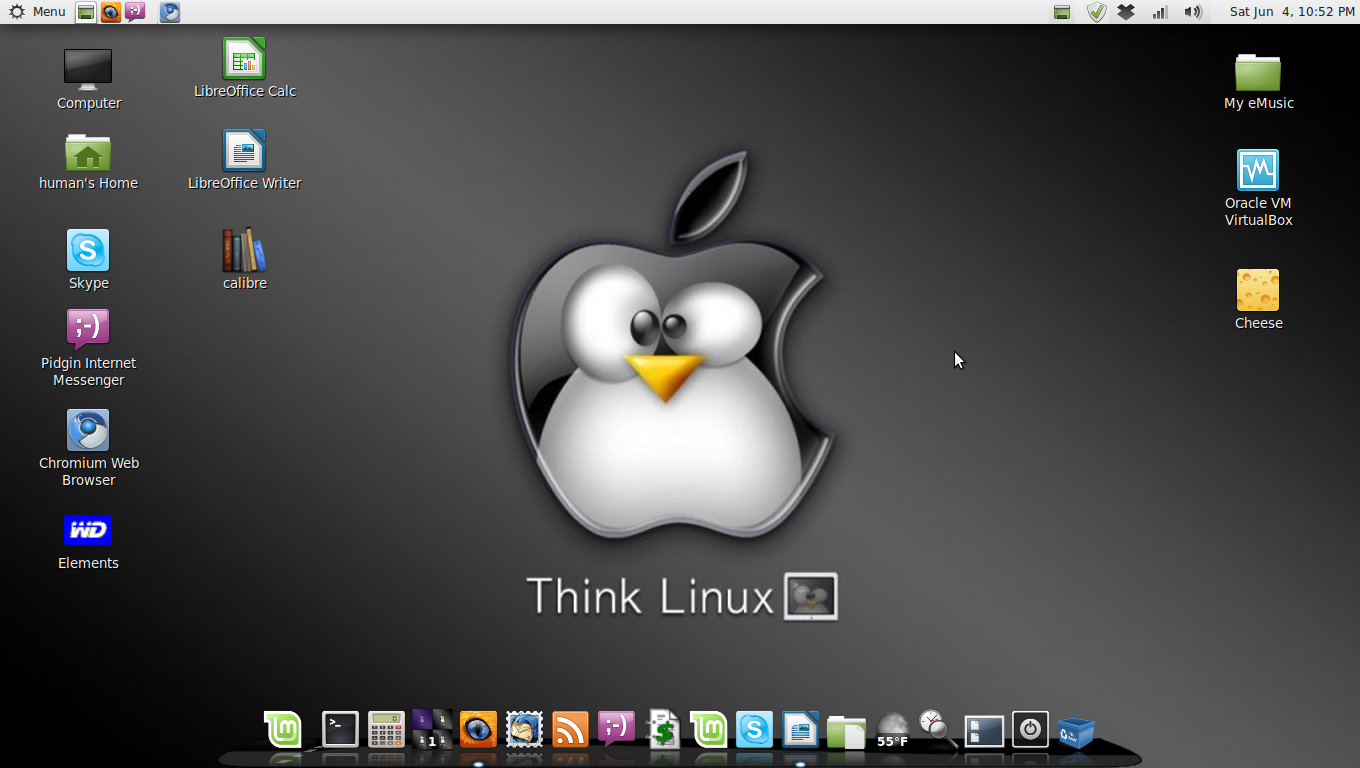
May run anywhere on anything

FOSS may run anywhere on anything

Highly adaptable
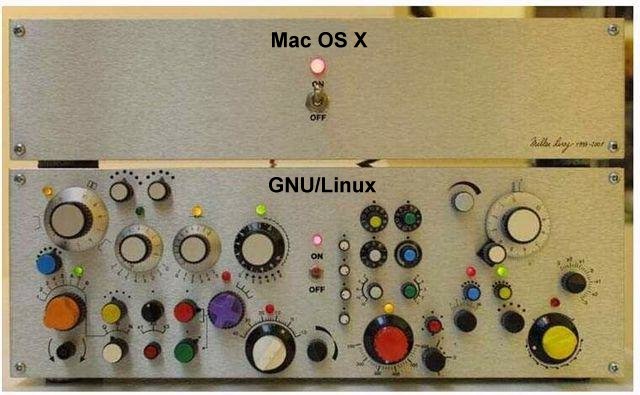
FOSS is said to be hard and non-user friendly

User (and resource) friendly

Usability is license independent

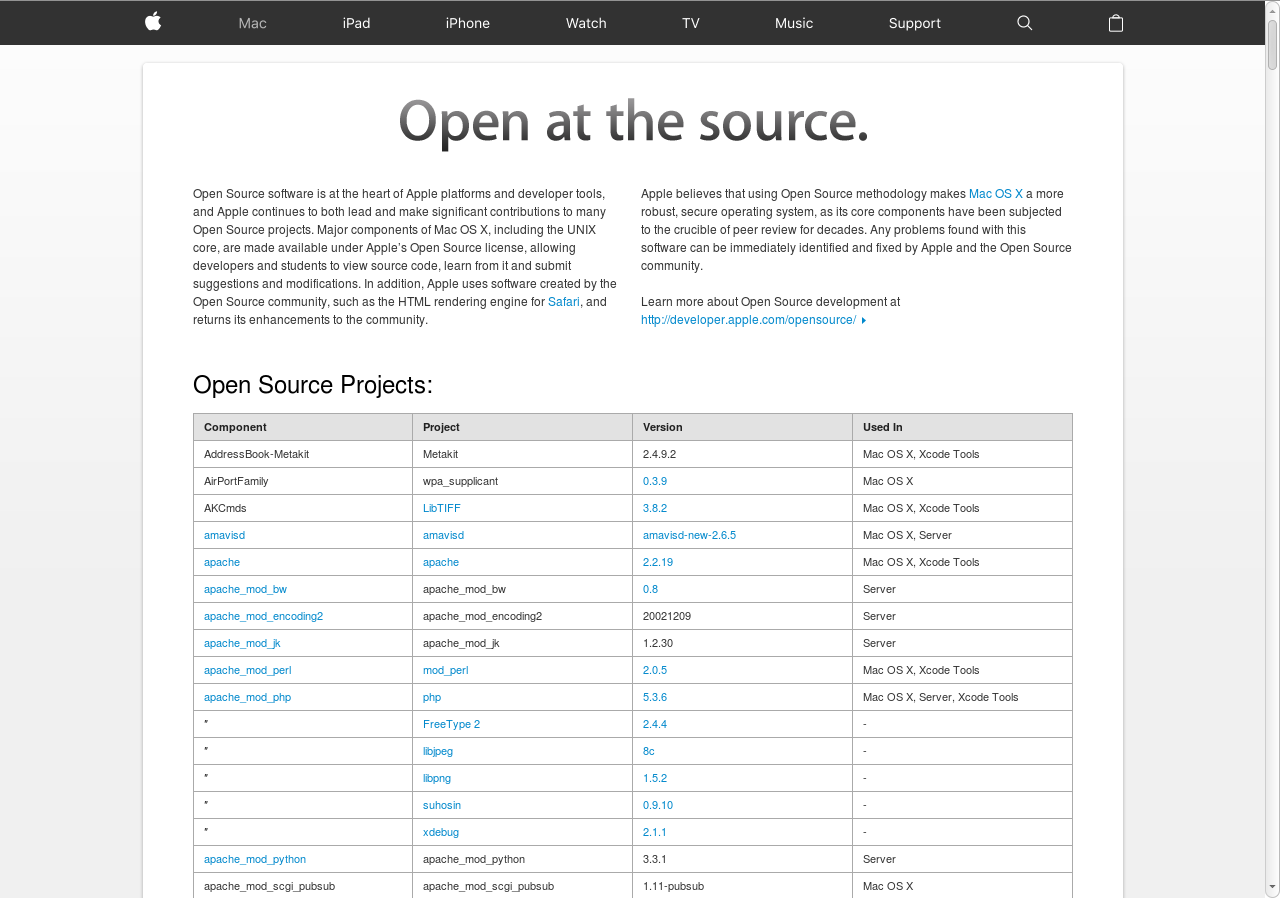
Highly professional

The way to go.

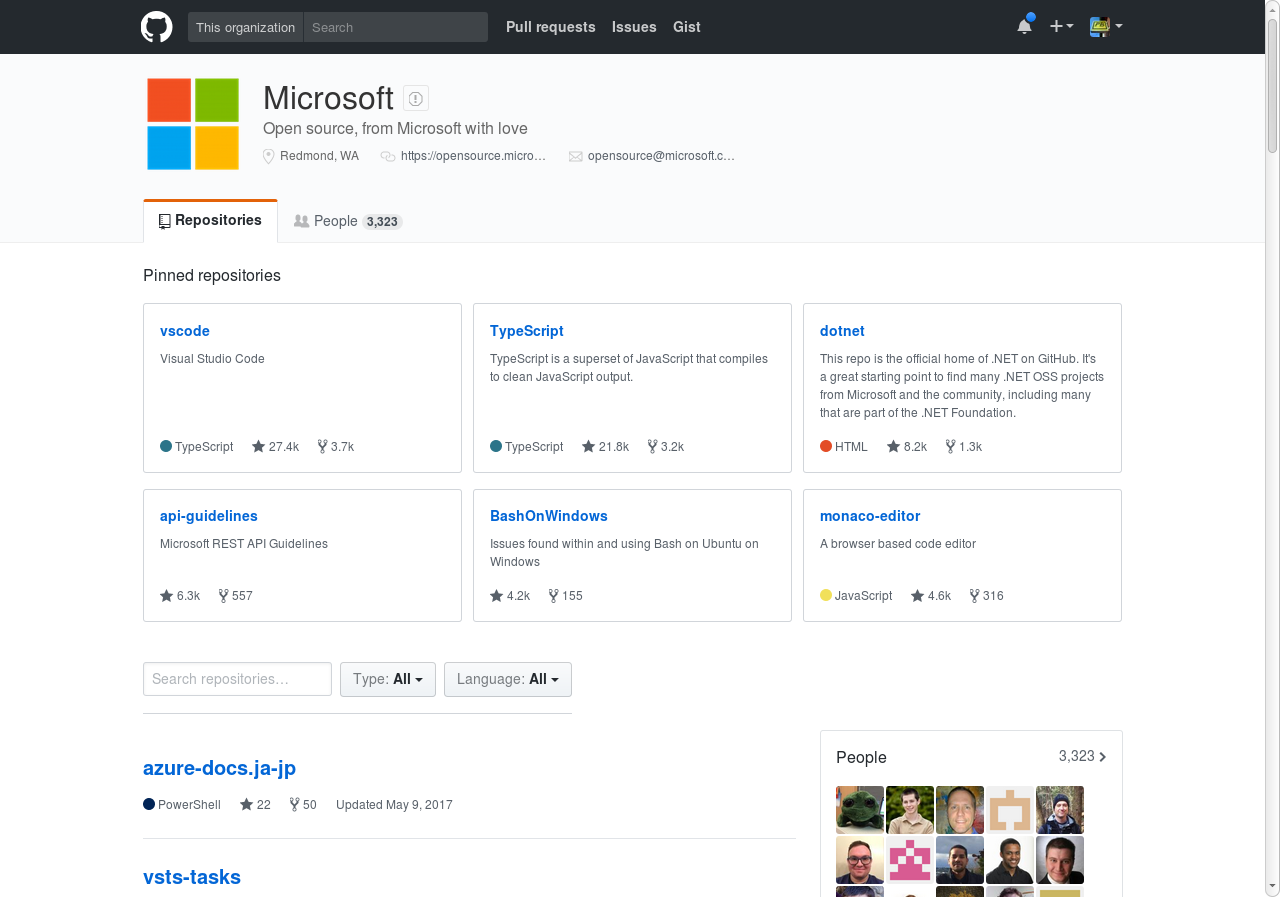
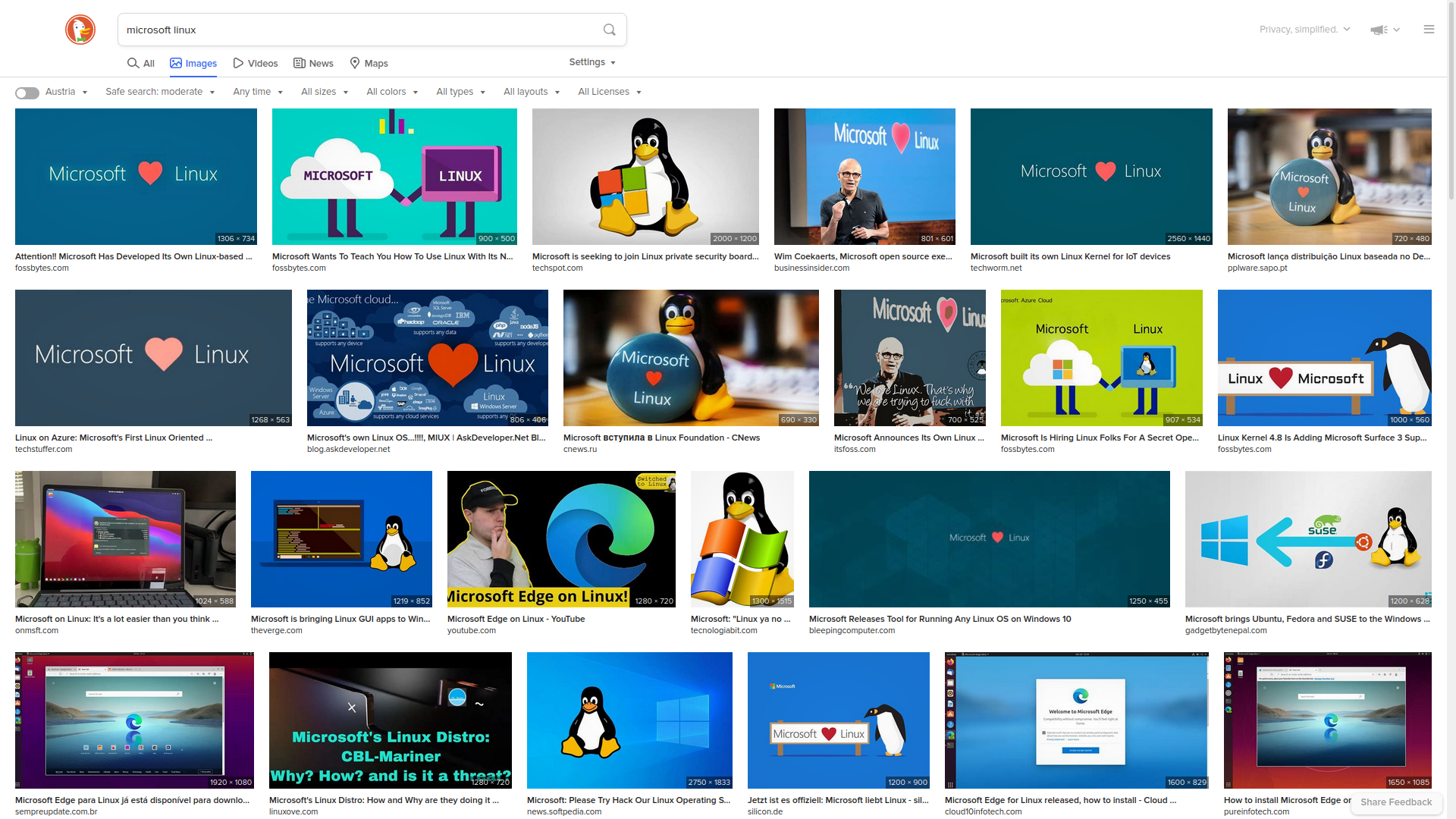
Microsoft’s Github Page (2017)

I’m not a developer.

What’s in it for me?

The Distant Future: The Year 2000!
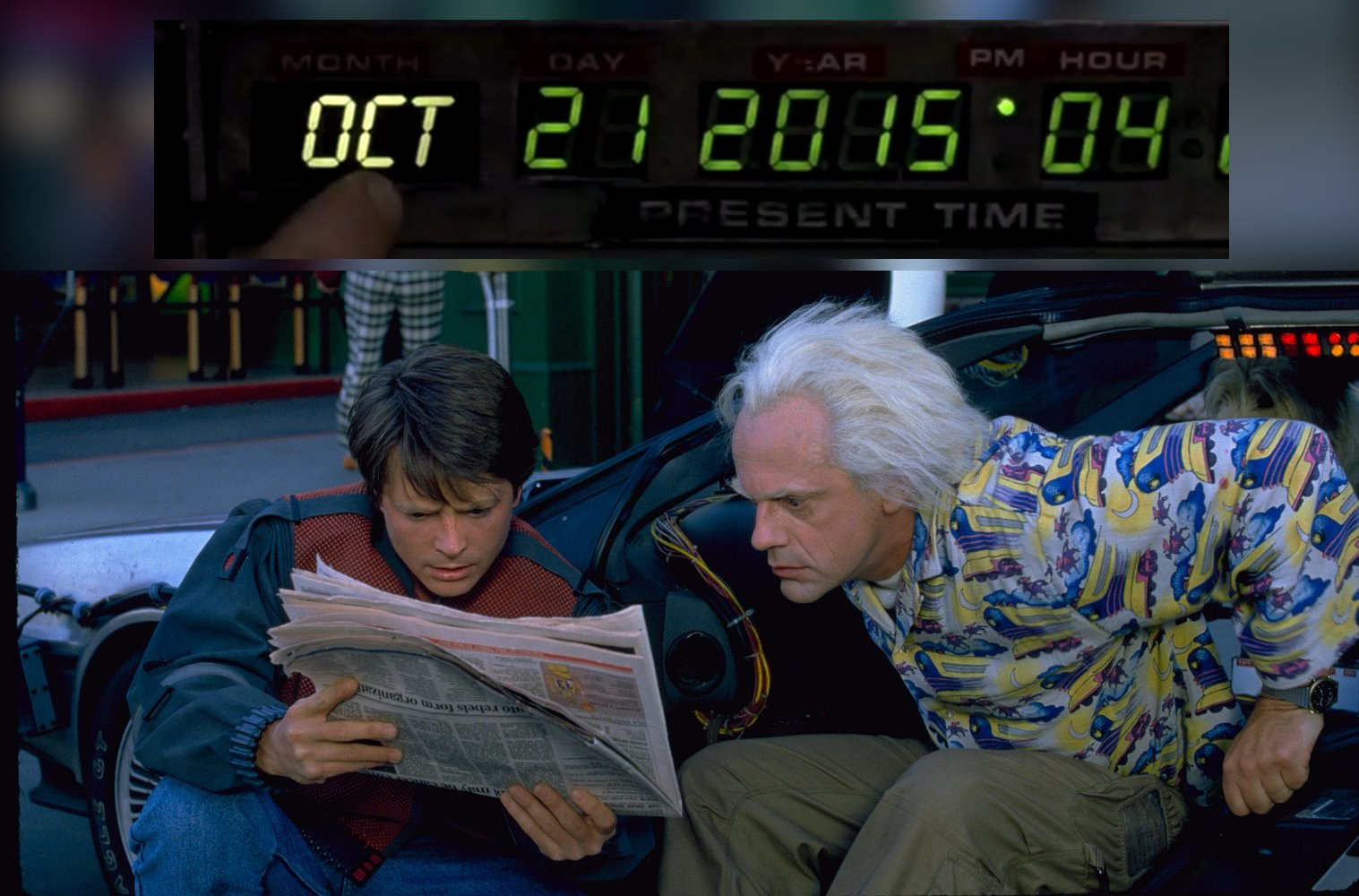
Welcome to the future, Marty!

Digital is omnipresent.

We all depend/rely on ‘IT’.

  • interoperable?
  • sustainable?
  • modifiable?
  • repairable?
  • affordable?
  • adaptable?
  • robust?

Who decides what?

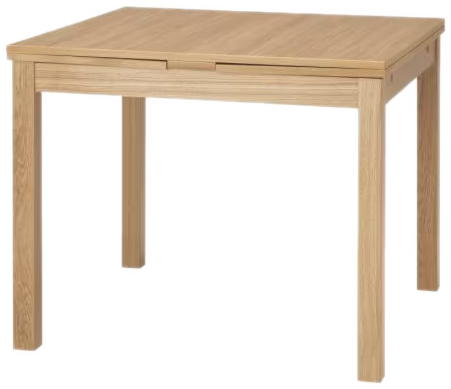
Simple wooden IKEA table

I’m an archivist.

Benefits for long-term preservation?
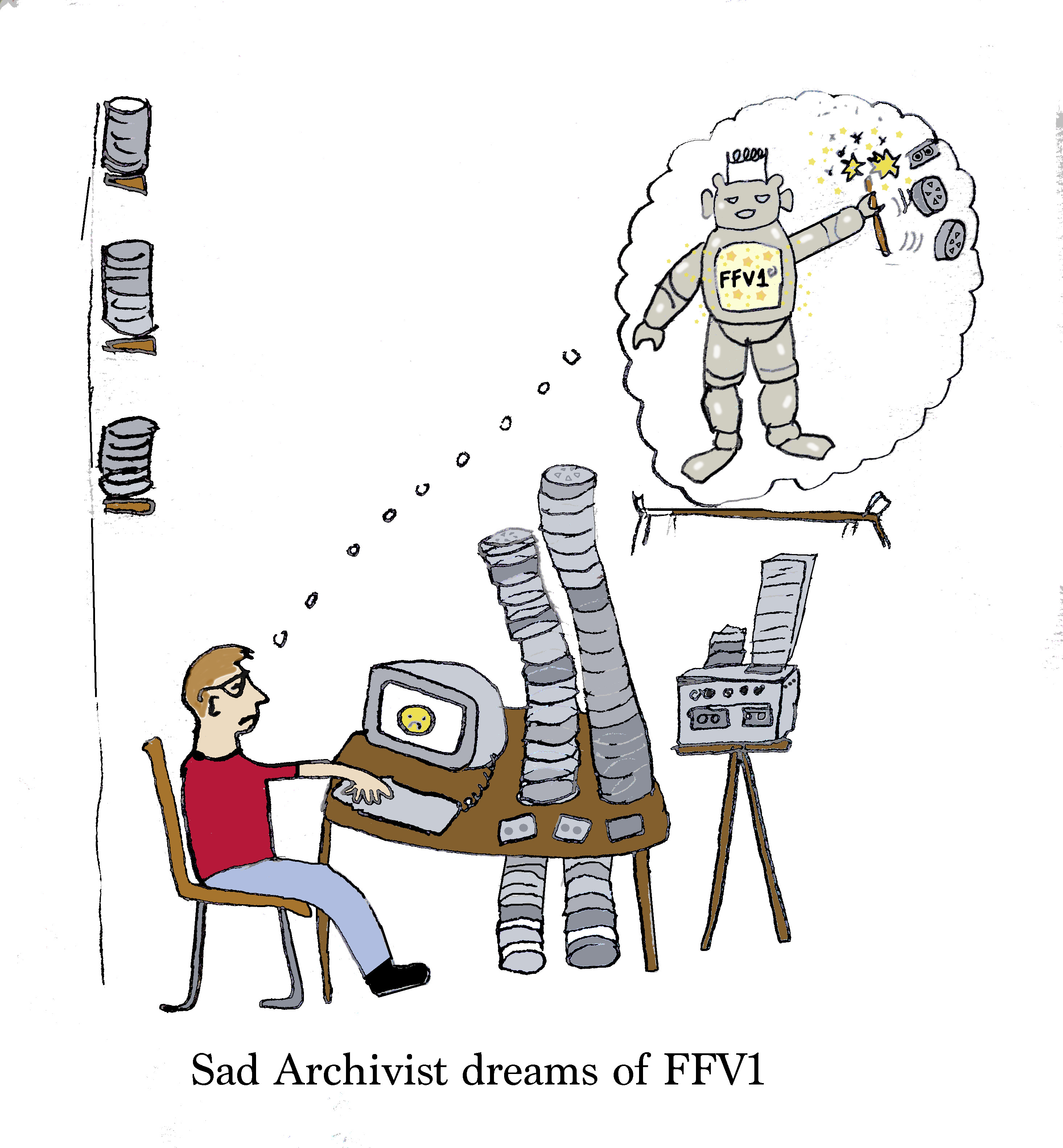
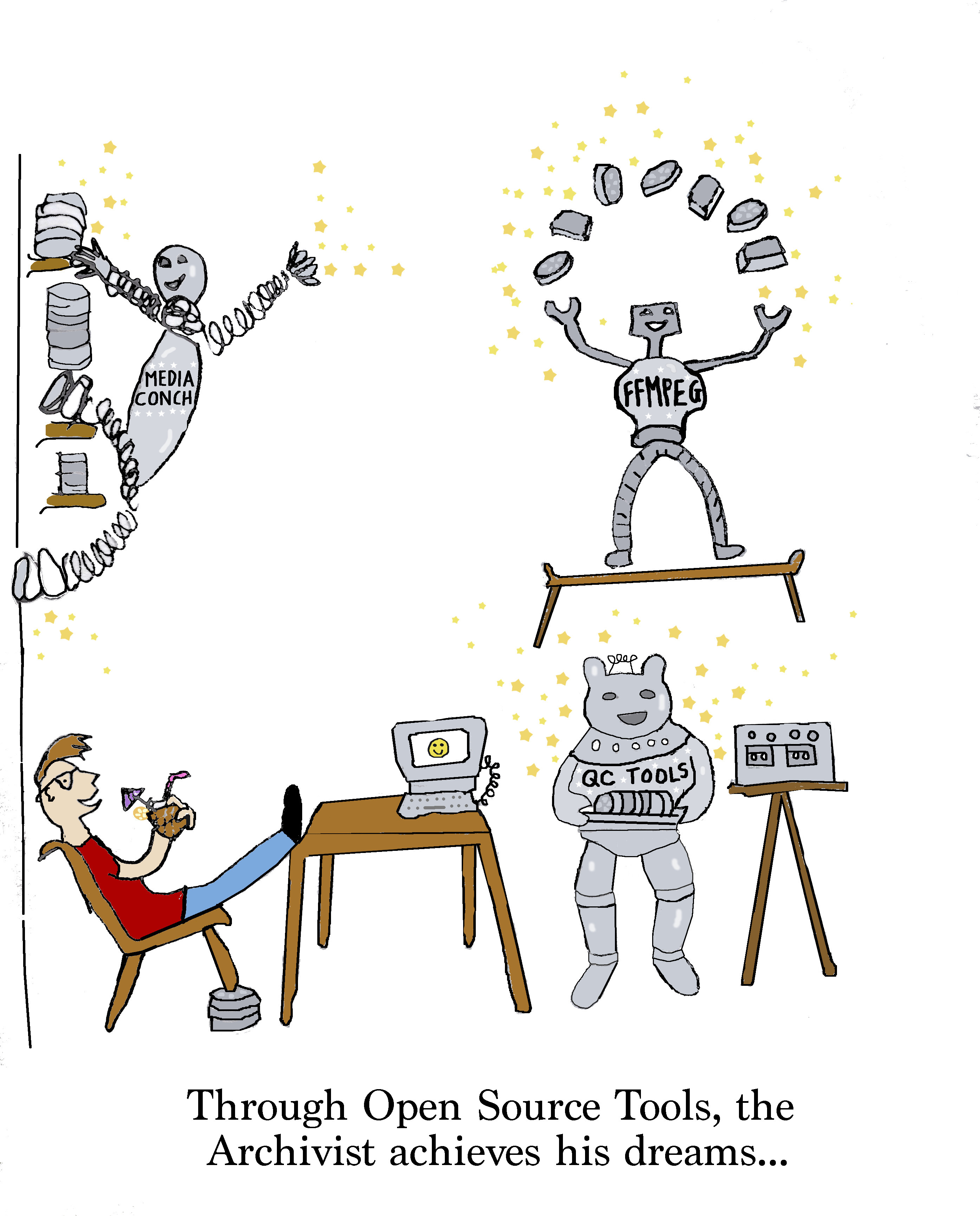
Drawing by Emily Boylan (around 2014) 

How long is “long term”?

  • 10 years?
  • 50 years?
  • 100 years?
  • longer?
  • or: 3-5 years?
    = market lifetime of digital products

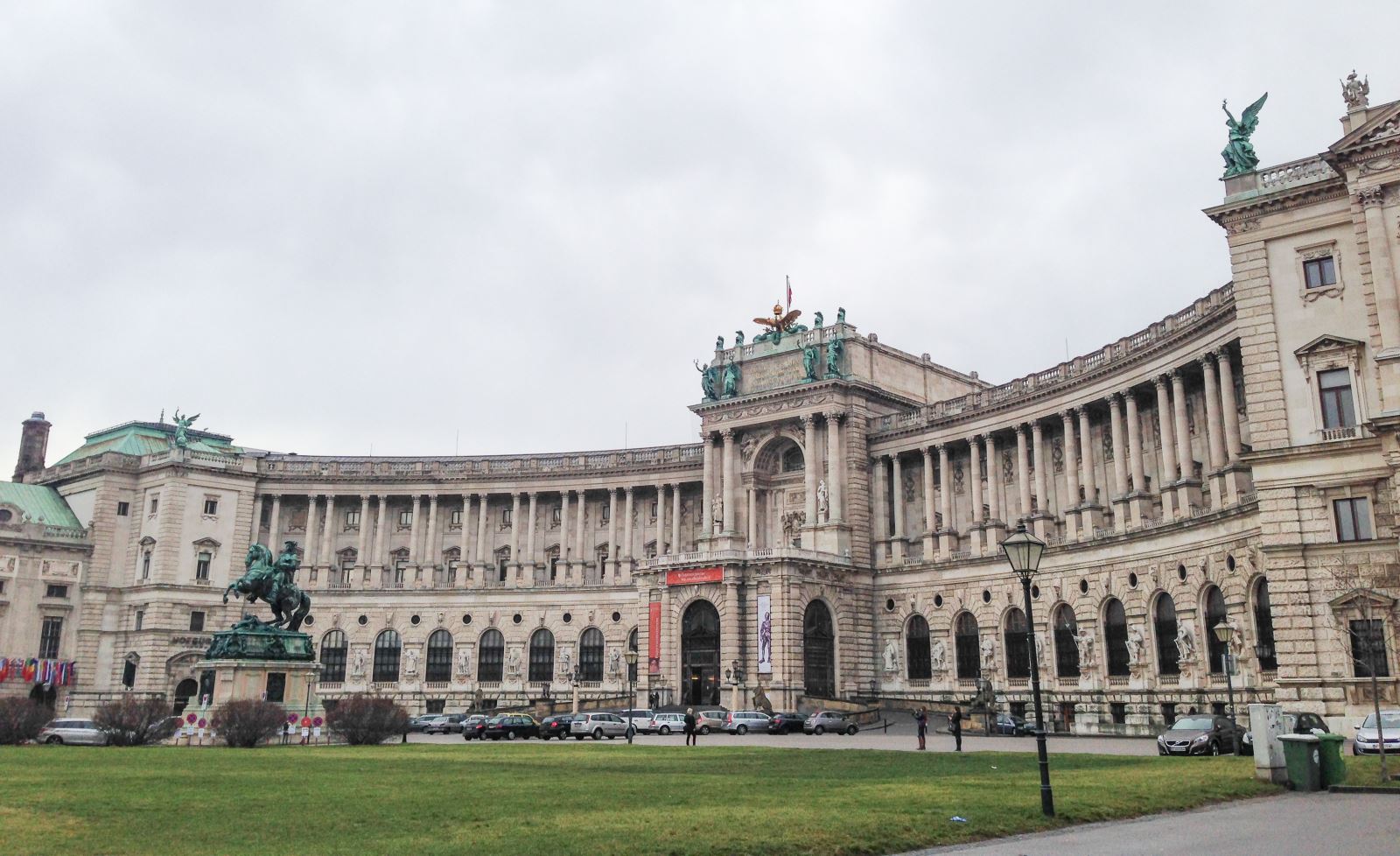
Imagine: If buildings were software

National Library, Vienna

The archival domain

  • Relatively small market (niche).
  • Off-the-shelf products often focus on different use cases.
  • Highly specialized demands.
  • High potential for vendor dependence…

With FOSS:

  • Reusability of existing solutions
  • Free choice of (local) support/suppliers
  • No black-box / reverse engineering
  • Common tools/codebase = larger userbase
  • Less “forced” upgrades
  • Sustainable software ecosystem
  • You decide how (long) to use, study, share or improve ‘IT’.

How come FOSS ain’t the default?

btw: In the beginning, every software actually came with its source code.

(Similar to farming: started organic, then industrialized, now back to organic)

Perceived professionalism and quality

  • Price = quality?
  • GUI = quality?
  • Professionals using it?
  • Ongoing support?
  • Responsibilities?
  • Who you’re gonna call?

– How FOSS? –

“Prefer, demand and support FOSS and open formats. It’s good for you.”

The next step:

Professionalization of Free Software

Paying for Free Software

Best of both worlds:

  • Better support/updates
  • Pooling resources
  • Improvements available “upstream”
  • Designed for your use-cases
  • Overall better cost-effectiveness

Professionalizing FOSS:

  • Make support contracts
  • Paid installation/integration
  • Hire developers, raise funds
  • Non-financial contributions:
    • Documentation / Tutorials
    • Design graphics
    • Testing / bug-reports / helping others

What’s the value of ‘IT’?

Quality, Value & Price:

  • Food?
  • Air?
  • Water?
  • Space?
  • Roads? Bridges?

“Free, publicly available source code is the infrastructure on which all of digital society relies.”
Source: https://www.fordfoundation.org/work/learning/research-reports/roads-and-bridges-the-unseen-labor-behind-our-digital-infrastructure/

Infrastructure & Taxes?

See: publiccode.eu/

Taken for granted?

  • Who of you is using FOSS? (Mediainfo, VLC, Wikipedia, Firefox, FFmpeg, QCTools, GNU/Linux, LibreOffice, etc etc etc..?)
  • How can they afford to spend time on FOSS code?
  • What if they disappear? 😱
  • What’s your (institution’s) plan to keep these applications alive and kicking?

Collaboration welcome

We archivists have:

  • Common interests.
  • Common challenges.
  • Common solutions?

You *are* ‘The Community’

Not a coder? Not a problem!

– The End –

Comments?

Questions?

Peter Bubestinger-Steindl

(p.bubestinger @ arkthis.com)

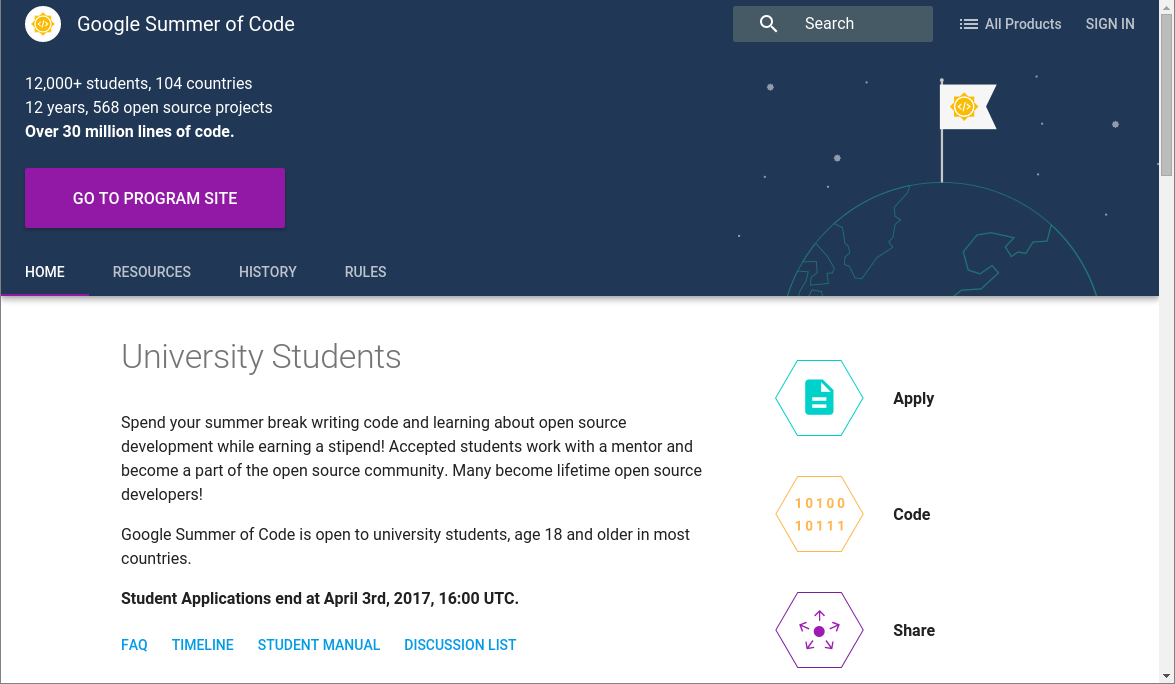
Google: Summer of Code

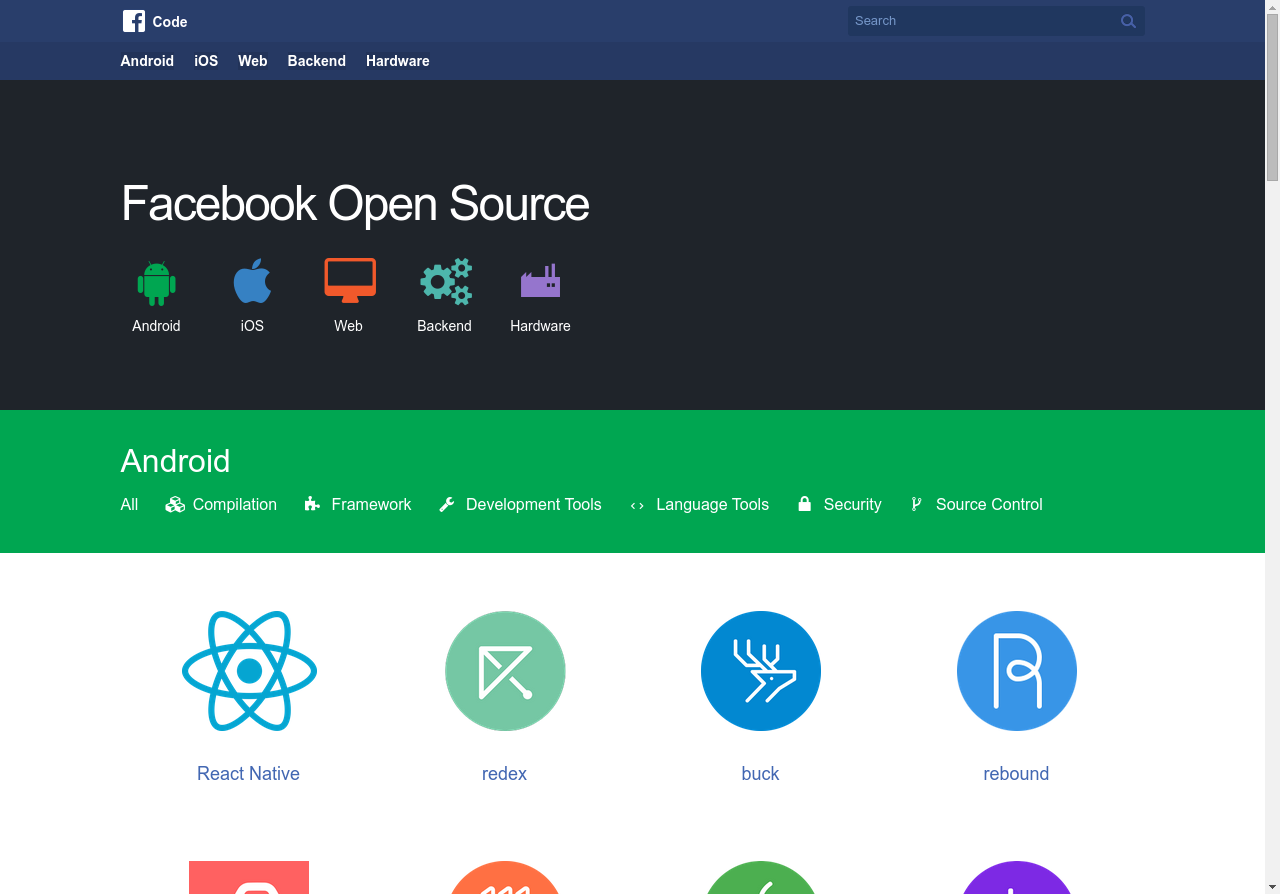
Facebook & Open Source
DuckDuckGo Search ‘Microsoft Linux’